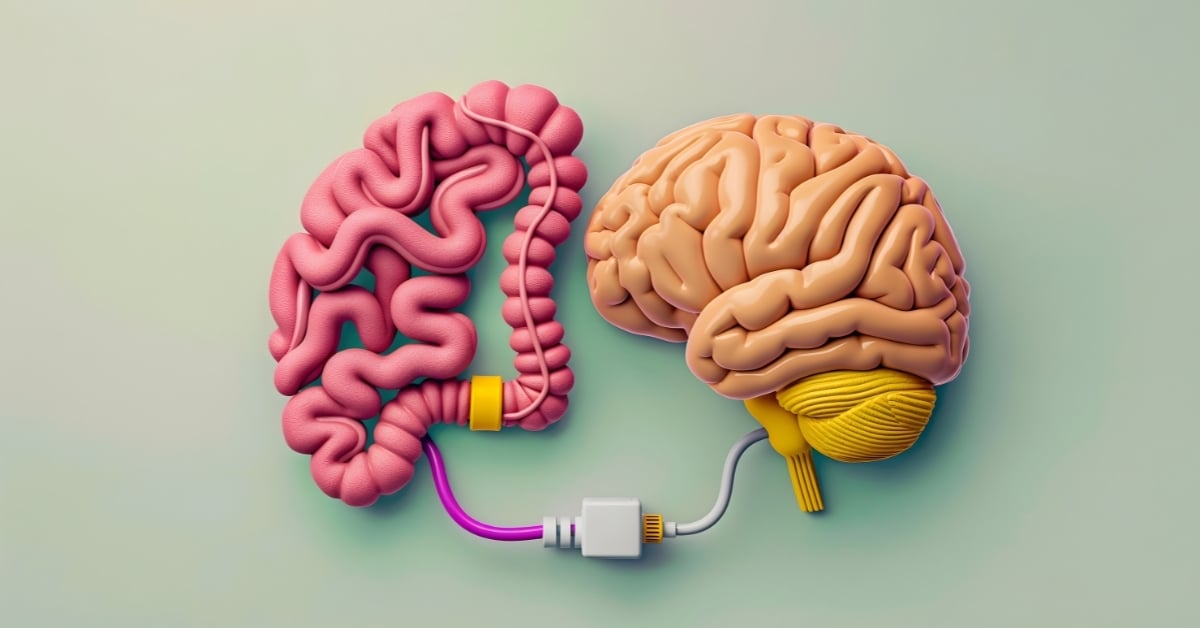
Have you ever felt “sick with worry” or had a “gut feeling” about something? It turns out these aren’t just sayings — they’re real physical signals travelling between your gut and your brain.
In pharmacy, we often see people dealing with digestive discomfort and stress at the same time. Research continues to show that the gut and brain are closely connected, and supporting your gut health may also support overall wellbeing.
Here’s a simple breakdown of what’s going on inside your body — and what you can do to help.
What Is the Gut–Brain Axis?
The gut–brain axis is the two-way communication system between your digestive system and your nervous system.
Your gut and brain are constantly “talking” through:
- Nerves (including the vagus nerve)
- Hormones and neurotransmitters
- Signals from your gut bacteria (microbiome)
This helps explain why stress can affect digestion — and why digestive discomfort can sometimes affect how you feel.
Your Gut Produces Key Mood Chemicals
Many people assume serotonin (a chemical involved in mood regulation) is mostly produced in the brain. Surprisingly, most serotonin is produced in the gut.
This connection may help explain why:
- Stress can trigger digestive symptoms
- Digestive issues may impact mood and energy
- Some medicines may cause stomach upset
Supporting your digestive health is one part of supporting overall wellbeing.
It’s Not “All in Your Head”
If you live with Irritable Bowel Syndrome (IBS) or a sensitive stomach, you may have been told that stress makes it worse — and you may even feel like you’re imagining symptoms.
You’re not.
Conditions like IBS are now often grouped under a medical term called Disorders of Gut–Brain Interaction (DGBI). This reflects the fact that symptoms may involve both the digestive system and the nervous system.
For some people, the gut and brain communication system becomes more sensitive — meaning normal digestion can feel uncomfortable or painful.
Why Can Gut Discomfort Feel So Strong?
Have you ever wondered why some people experience bloating as mild discomfort, while others feel severe pain?
Researchers are exploring how nerve pathways in the body carry digestive signals to the brain. In some conditions, the “pain pathway” may become more reactive, which can increase sensitivity.
This is an active area of research and may help improve how digestive discomfort is managed in the future.
Gut Health and Long-Term Wellbeing
Supporting your gut health isn’t only about feeling good today — it may also play a role in long-term wellbeing.
Some studies are exploring links between gut health and:
- Brain fog
- stress response
- healthy ageing
While research is still emerging, maintaining a healthy gut environment is widely considered an important part of overall health.
What Can You Do to Support the Gut–Brain Axis?
The good news is that supporting gut health doesn’t need to be complicated. Small daily habits can make a real difference.
Eat a Fibre-Rich, Balanced Diet
A varied diet helps support a healthy microbiome.
Try including:
- Vegetables and fruit
- Wholegrains
- Nuts and seeds
- Legumes (lentils, chickpeas, beans)
These foods contain natural fibres that help nourish beneficial gut bacteria.
Be Cautious With Restrictive Diets
The Low FODMAP diet, developed by Monash University, is well known for helping manage IBS symptoms. However, it can be restrictive, and removing too many foods for too long may reduce gut bacteria diversity.
If you’re considering a Low FODMAP approach, it’s best done with guidance from a pharmacist, medical practitioner, or dietitian.
Consider Probiotics (If Appropriate)
Probiotics are beneficial bacteria that may help support digestive system health and maintain healthy gut flora. Dietary changes are always recommended as a first line treatment.
Some people choose probiotics during times of digestive disruption, stress, travel, or after antibiotics. Because different probiotic strains have different actions, choosing the right product matters.
Pharmacy Tip: If you’re unsure which probiotic is right for you, your pharmacist can help you select an appropriate option and explain how to take it correctly.
Always read the label and follow the directions for use. If symptoms persist, speak with your medical practitioner.
Support Lifestyle Habits That Help Your Gut
Gut health is strongly influenced by everyday routines.
Simple habits include:
- Drinking enough water
- Staying physically active
- Getting regular sleep
- Managing stress levels
Even small changes can support digestive comfort and overall wellbeing.
Frequently Asked Questions (FAQs)
Q: Is my anxiety causing my stomach pain, or is my stomach causing my anxiety?
A: It may be both. The gut and brain communicate constantly, meaning stress can trigger digestive symptoms, and ongoing digestive discomfort may affect mood and wellbeing. Supporting both digestion and stress management at the same time can be helpful.
Q: Can probiotics help with mood?
A: There is growing research into the gut–brain axis and how gut health may influence general wellbeing. Some studies suggest certain probiotic strains may support overall health, but research is still developing and results vary between individuals. If you have ongoing mood concerns, speak with your medical practitioner or pharmacist for personalised advice.
Q: What is DGBI?
A: DGBI stands for Disorders of Gut–Brain Interaction. It is a modern term used for conditions such as IBS, recognising that symptoms may involve both the digestive system and the nervous system.
Q: I want to try the Low FODMAP diet. Should I just Google it?
A: It’s best to get guidance. The Low FODMAP diet may be helpful for managing symptoms, but doing it incorrectly can lead to unnecessary food restriction and may impact gut health over time. Speak with your pharmacist or a dietitian for support.
Need Support?
If you’re experiencing regular bloating, discomfort, bowel changes, or stress-related digestive symptoms, speak with your pharmacist. If symptoms are ongoing, worsening, or affecting your quality of life, it’s important to consult your medical practitioner.
Disclaimer: This information is general in nature and does not replace medical advice.Vitamins may only be of assistance if dietary intake is inadequate. Vitamins do not replace a balanced diet. Always consult your pharmacist or medical practitioner for personalised guidance.
References
• Flinders University. (2024). Gut-brain communication turned on its axis.
• Macquarie University. (n.d.). Gut-brain research paper award.
• SAHMRI. (n.d.). New insights into the gut–brain axis and chronic pain pathways.
• University of South Australia. (n.d.). UniSA links gut health to brain disease.
• Centre for Microbiome Research. (n.d.). The influence of the gut microbiome on cognition.
• Monash University. (n.d.). Diet, Gut and Brain Group / Low FODMAP diet resources.